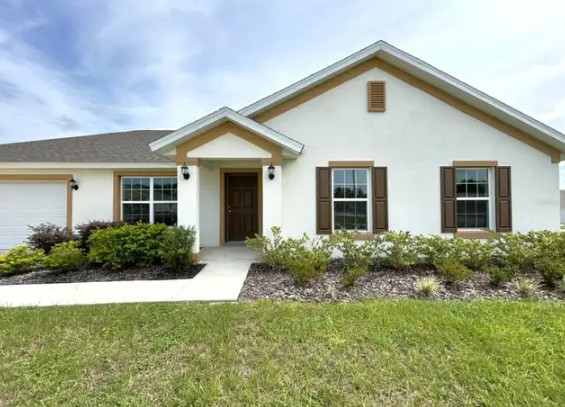
Buyer financing March 16, 2026

I Want to Explain VA Loans to Veterans

By Diana Dodd, REALTOR®. ERA American Suncoast Realty

Thank you for your service.

Many of my US Veterans ask about VA loans when they begin looking at homes, but they are not always sure how a VA loan actually works. I want to explain VA financing in simple terms so you can understand whether it might be an option for you.

A VA loan is a mortgage program created for eligible veterans, active duty service members, and certain surviving spouses. The loan is issued by a regular lender but backed by the U.S. Department of Veterans Affairs.

Because of that support, VA loans can offer some advantages compared to other loan programs. One of the most well known benefits is that many qualified buyers are able to purchase a home with no down payment.

VA financing may also have competitive interest rates and do not require monthly mortgage insurance like many other loan programs.

Many buyers who have served in the military are not always aware that this benefit is available to them. For those who qualify, a VA loan can make purchasing a home much more accessible.  For many veterans and active service members, this loan program provides a path to homeownership that might otherwise take years to achieve. Understanding how VA financing works can make the home buying process much less confusing.

If you would like to learn more about VA loan benefits, you can visit the U.S. Department of Veterans Affairs website here:
https://www.va.gov/housing-assistance/home-loans/

If you are thinking about buying a home in Citrus County and want help understanding the financing side of the process, I am always glad to help explain the options before you start looking at homes.

If you would like to learn more about FHA financing, you can read my explanation here:
https://dianadoddsellscitrus.com/2026/03/12/i-want-to-explain-fha-loans-to-my-buyers

Buyer financing March 12, 2026

I Want to Explain FHA Loans to My Buyers

First time home buyers standing in a new home after purchasing with FHA loan financing

Many first time buyers use FHA financing because it can allow a lower down payment when purchasing a home.

By Diana Dodd, REALTOR®. ERA American Suncoast Realty

Many of my buyers ask about FHA loans when they begin looking at homes, but they are not always sure what an FHA loan actually means. I want to explain this type of financing in simple terms so you can understand how it works and whether it might be an option for you.

What Is an FHA Loan?

An FHA loan is a mortgage backed by the Federal Housing Administration. The loan itself still comes from a regular lender. The government backing helps lenders offer financing to buyers who may not qualify for some other loan programs.

Because of that, FHA loans are commonly used by first time home buyers. They can also help buyers who may not want to put a large amount of money down when purchasing a home.

One thing I explain to buyers is that this loan program may allow a lower down payment and more flexible credit guidelines. However, it does require mortgage insurance, and the home must meet certain property standards.

For some buyers, this type of financing can make purchasing a home possible sooner. Instead of waiting years to save a larger down payment, they may be able to move forward earlier.

Where Can You Apply for This Loan?

Many buyers also ask where they can apply. These loans are issued through regular mortgage lenders that are approved to offer FHA financing.

If you would like to learn more about FHA loan programs, the U.S. Department of Housing and Urban Development provides helpful information for buyers:
https://www.hud.gov/buying/loans

If you are thinking about buying in this area, you may also find this helpful:
Moving to Citrus County: What You Need to Know Before You Buy

If you are considering buying a home in Citrus County and want help understanding the financing side of the process, I am always glad to help explain the options before you start looking at homes.

Home Buying in Citrus County March 2, 2026

Buying a Home in Citrus County: The Complete 2026 Guide

By Diana Dodd, REALTOR® | ERA American Suncoast Realty

Buying a Home in Citrus County: The Complete 2026 Guide

Buying a home in Citrus County in 2026 requires preparation and local insight. This complete guide walks you through what to expect before making an offer. From pricing trends and neighborhoods to financing, taxes, and hidden costs, understanding the full picture helps you move forward with confidence.

Why Buyers Are Choosing Citrus County

Citrus County continues to attract buyers from South Florida, Tampa, and out of state because it offers something many Florida markets no longer do: value combined with lifestyle.

Buyers are drawn to:

  • Lower median home prices compared to larger metro areas

  • No state income tax

  • Waterfront access and natural springs

  • Golf communities and quiet neighborhoods

  • Acreage and non-HOA options

  • Retirement-friendly communities

For many buyers, Citrus County provides breathing room financially and personally.

Popular Areas to Consider

Each community offers a different feel, price point, and pace of life:

  • Crystal River – Waterfront homes, boating, and manatees

  • Inverness – Historic charm and lake access

  • Hernando – Golf communities and larger lots

  • Homosassa – River lifestyle and fishing

  • Beverly Hills – Established neighborhoods with value pricing

  • Citrus Springs – Growing area with new construction

  • Dunnellon – Access to the Rainbow River and rural living

Choosing the right area is just as important as choosing the right home.

Understanding Home Prices in 2026

Home values in Citrus County vary based on location, flood zone, lot size, HOA status, waterfront access, and age of construction.

Before making an offer, buyers should review:

  • Price per square foot

  • Days on market

  • Comparable sales

  • Inventory levels

  • Property condition

To better understand how pricing works locally, review my guide on home pricing in Citrus County.

Financing Options for Buyers

Most buyers use one of the following loan types:

  • Conventional loans

  • FHA loans

  • VA loans

  • Cash purchases

Each option has different qualification requirements, credit guidelines, and down payment structures. Choosing the right financing strategy affects both your monthly payment and your negotiating strength.

Costs Beyond the Purchase Price

Buying a home in Citrus County includes more than the contract price. Buyers should plan for:

  • Home inspection

  • Appraisal

  • Loan origination fees

  • Title insurance

  • Property taxes

  • Homeowners insurance

  • Flood insurance if applicable

To understand total ownership expenses, read my breakdown of what it really costs to live in Citrus County.

What to Watch for in Citrus County

Local knowledge matters. Buyers should pay close attention to:

  • Flood zones

  • Septic versus sewer systems

  • Well water versus city water

  • HOA restrictions

  • New construction upgrade costs

Flood zones deserve special attention. You can review my detailed guide on flood zones in Citrus County before making an offer.

Relocating From South Florida or Out of State

If you are moving from South Florida or another state, understand the differences in:

  • Property taxes and homestead exemption

  • Insurance premiums

  • Closing costs

  • Pace of life

  • Infrastructure and utilities

Planning ahead prevents surprises after closing.

Is 2026 a Good Time to Buy in Citrus County?

Market conditions shift throughout the year. Interest rates fluctuate. Inventory levels rise and fall. Buyers who focus on long-term value, affordability, and lifestyle alignment generally make stronger decisions than those trying to perfectly time the market.

The key is buying the right property at the right price for your goals.

Final Thoughts

Buying a home in Citrus County requires preparation, strategy, and local insight. When you understand pricing trends, financing options, and the true cost of ownership, you move forward with clarity.

With the right guidance, you can secure a property that supports both your lifestyle and long-term financial plans.

Living in Citrus County February 27, 2026

How to Prune and Care for Frost-Damaged Plants in Central Florida

Frost-damaged palm tree and tropical plants recovering after cold weather in Central Florida

Frost damage is common after winter cold snaps in Central Florida, but most plants recover with proper care.

By Diana Dodd, REALTOR® | ERA American Suncoast Realty

How to Prune Frost-Damaged Plants in Central Florida

If you are dealing with frost damaged plants Florida homeowners often see after a winter cold snap, you are not alone. Many Central Florida residents look at their yards after cold weather and assume the worst.

Brown leaves, drooping palms, and crispy tropical plants can make a landscape look beyond repair. The good news is that most plants can recover with patience and proper timing.

The key is knowing when to prune, what to cut, and what to leave alone.


What Frost Damaged Plants Florida Homeowners See After a Freeze

After a freeze, you may notice:

  • Brown or blackened leaves

  • Soft or mushy stems

  • Drooping branches

  • Yellowing foliage

  • Crispy edges on tropical plants

  • Browning palm fronds

Frost damage happens when plant cells freeze and rupture. Some plants rebound quickly once temperatures rise. Others need more time.

Do not assume a plant is dead just because it looks damaged.


Do Not Prune Too Soon

This is the most important rule.

Do not prune immediately after a freeze.

Damaged leaves and stems help protect the plant from additional cold. Cutting too early exposes healthy tissue and can cause more harm.

Wait until:

  • Temperatures stabilize

  • The threat of frost has passed

  • New growth begins to appear

In Central Florida, this often means waiting several weeks.

Patience protects your plants.


How to Tell If a Plant Is Still Alive

Before pruning, check for green growth.

Use the scratch test:

Lightly scratch the outer layer of a stem with your fingernail.

  • Green underneath means the plant is alive

  • Brown and dry means that section is dead

If you cut into a stem and see green inside, stop cutting.

Only remove sections that show no green at all.


How to Properly Prune Frost-Damaged Plants

When it is finally time to prune:

  1. Use clean, sharp pruning tools

  2. Disinfect blades with rubbing alcohol

  3. Cut back to healthy green tissue

  4. Trim just above a healthy node or branch

  5. Do not remove more than one-third of the plant at one time

Gradual pruning reduces stress and encourages healthy regrowth.


Caring for Plants After Frost Damage

After pruning, focus on recovery.

Water deeply but do not overwater. Roots need oxygen to heal.

Avoid fertilizing until you see active new growth. Fertilizing too early can burn stressed roots.

Apply two to three inches of mulch around the base of plants to regulate soil temperature and moisture.

Watch for pests and disease, since weakened plants are more vulnerable.


Palm Trees and Cold Damage in Central Florida

Smaller palm varieties are especially sensitive to cold, including:

  • Pygmy Date Palms (Robellini)

  • Christmas Palms

  • Areca Palms

  • Bottle Palms

  • Young Foxtail Palms

After frost, palms may show brown fronds, drooping leaves, and slow growth.

Do Not Remove Palm Fronds Too Early

Leave damaged fronds in place until warm weather returns. Palm fronds still provide energy to the tree.

Check the center spear leaf:

  • Green and firm usually means the palm will survive

  • Loose and rotten may require professional help

When pruning palms, remove only fully brown, dead fronds. Never cut into the trunk or crown. Avoid hurricane cuts on stressed palms.


Staghorn Ferns After a Freeze

Frost-damaged palm tree and tropical plants recovering after cold weather in Central Florida

Frost damage is common after winter cold snaps in Central Florida, but most plants recover with proper care.

S

Staghorn ferns are beautiful in Central Florida landscapes but very sensitive to cold.

After frost, they may develop:

  • Brown or crispy fronds

  • Soft blackened spots

  • Drooping growth

Do not remove fronds immediately. Older fronds protect new growth underneath.

Once temperatures warm consistently:

  • Remove only fully dead fronds

  • Resume light watering

  • Avoid fertilizer until new growth appears

If the core remains healthy, staghorn ferns often recover well.


Common Central Florida Plants That Usually Recover

Many plants bounce back in spring, including:

  • Hibiscus

  • Bougainvillea

  • Crotons

  • Ixora

  • Citrus trees

  • Palms

  • Staghorn ferns

Give them time before replacing them.


How to Protect Frost Damaged Plants in Florida Before the Next Cold Snap

Preparation makes a difference.

Before a freeze:

  • Cover plants with breathable frost cloth

  • Water soil earlier in the day

  • Move potted plants indoors

  • Add mulch around roots

  • Protect small palms and mounted ferns

Avoid plastic touching leaves directly.

For additional expert guidance, visit the University of Florida IFAS Extension at:
https://gardeningsolutions.ifas.ufl.edu


Why Landscape Care Matters for Home Value

Healthy landscaping improves your home’s value in Citrus County

  • Curb appeal

  • Buyer interest

  • Resale value

  • Pride of ownership

For more local homeowner tips, read my guide on buying a home in Citrus County.

Well-maintained outdoor spaces protect both your lifestyle and your investment.


Final Thoughts

Cold weather is part of living in Central Florida. When frost hits, the worst thing you can do is panic and prune too quickly.

Wait. Look for green growth. Trim only what is truly dead.

With proper timing and care, most frost damaged plants Florida homeowners deal with can recover beautifully.

Healthy landscaping supports property value in every season.

Citrus County Market Updates February 25, 2026

Should I Buy Now or Wait in Citrus County | 2026 Market Update

Citrus County Florida home exterior representing the cost of selling a home

By Diana Dodd, REALTOR® | ERA American Suncoast Realty

Should I buy now or wait in Citrus County? This is one of the most common questions buyers ask in 2026. Right now, interest rates are changing. At the same time, inventory is shifting. In addition, housing headlines appear daily. Because of this, many buyers feel unsure about timing. Still, deciding whether you should buy now or wait in Citrus County starts with understanding local trends and your personal finances.

Since every buyer’s situation is different, timing should match your long-term goals. As a result, learning how today’s market works helps you move forward with confidence.


What Is Happening in the Citrus County Housing Market

Citrus County continues to attract retirees, families, and relocation buyers who want affordability and lifestyle.

Currently, the market shows:

  • More homes for sale than in past years

  • More seller price reductions

  • Steady buyer activity

  • Better negotiation opportunities

Because of this, buyers now have more choices. However, well-priced homes still sell quickly.


Should I Buy Now or Wait in Citrus County in 2026?

When deciding whether you should buy now or wait in Citrus County, three factors matter most: budget, timing, and future plans.

Some buyers wait because they expect prices to fall. However, large drops are uncommon in stable markets like Citrus County. Meanwhile, higher interest rates can reduce buying power.

As a result, trying to time the market often leads to missed opportunities.

For many people asking should I buy now or wait in Citrus County, focusing on affordability and long-term stability makes more sense.


How Interest Rates Affect Your Buying Power

Interest rates directly affect monthly payments.

For example, even small changes can raise or lower costs by hundreds of dollars. When rates fall, more buyers enter the market. When rates rise, affordability drops.

Therefore, buyers should focus on what fits their budget today instead of guessing future trends.


Who Should Consider Buying Now

In many cases, buying now makes sense if you:

  • Plan to stay long term

  • Have stable income

  • Maintain savings for emergencies

  • Want predictable housing costs

  • Feel ready to stop renting

Under these conditions, homeownership often brings stability and long-term value.


Who May Benefit From Waiting

In other situations, waiting may be better if you:

  • Expect job changes

  • Need to improve credit

  • Are building savings

  • Remain unsure about location

  • Have major life changes ahead

Otherwise, buying too soon can create unnecessary stress.


Why Local Data Matters More Than National Headlines

Although national housing reports get attention, they do not reflect neighborhood trends in Citrus County.

Instead, local pricing, demand, and inventory provide better insight.

You can also read my moving to Citrus County guide to learn more about local communities and lifestyle options.

For national trends, visit the National Association of Realtors at https://www.nar.realtor.

Because of this, local data helps buyers avoid overpaying.


New Construction vs. Resale Homes

Some buyers wait for new construction. Others prefer resale homes.

While new homes offer modern designs and energy efficiency, resale homes often provide larger lots and established neighborhoods.

Understanding these differences helps buyers choose wisely.


Final Thoughts

There is no single answer to the question, should I buy now or wait in Citrus County.

Instead, the right time to buy is when you are financially prepared, informed, and comfortable with your decision.

Rather than waiting for perfect conditions, focus on what fits your life today. With the right information, you can move forward with confidence.

Selling Your Home in Citrus County February 23, 2026

Home Pricing in Citrus County: How to Sell Your Home in 2026

Selling a home in Citrus County Florida

By Diana Dodd, REALTOR® | ERA American Suncoast Realty

Home pricing in Citrus County plays a major role in how fast a home sells and how much a seller earns. When pricing is done correctly from the start, sellers attract serious buyers and protect their equity.

At the same time, many sellers believe that pricing high leaves room to negotiate. However, this approach often creates problems. Instead of generating interest, overpricing causes buyers to compare listings and move on. As a result, showings slow down and momentum fades.

For this reason, understanding home pricing in Citrus County helps sellers avoid delays and make confident decisions.


Why Home Pricing in Citrus County Affects Buyer Interest

Today’s buyers are well informed. They research homes, study photos, and review market data before scheduling tours.

If a home is priced above similar properties, buyers often assume something is wrong. Therefore, many skip the listing. Over time, fewer showings lead to price reductions.

Strong pricing builds urgency. Overpricing creates doubt.


What Determines Home Value in Citrus County

Accurate home pricing in Citrus County depends on real data, not personal expectations.

Professional pricing considers:

  • Recent comparable sales

  • Current competition

  • Property condition

  • Neighborhood demand

  • Interest rate trends

  • Inventory levels

Because market conditions change regularly, pricing must reflect current information instead of outdated numbers.


Why the First Two Weeks Matter Most

The first two weeks after listing create the highest level of interest.

During this time, new homes appear in buyer alerts and search results. When pricing is accurate, serious buyers act quickly. As a result, early activity often leads to strong offers.

However, overpriced homes miss this opportunity. Once momentum is lost, it becomes difficult to recover.

You only get one first impression.


Home Pricing in Today’s Citrus County Market

Currently, Citrus County reflects a balanced market. Buyers have options, and sellers must compete.

Homes that show well and are priced accurately tend to sell faster. Meanwhile, overpriced homes remain on the market longer and receive less attention.

Therefore, realistic pricing gives sellers a clear advantage.


The Risk of Testing the Market

Some sellers want to start high and adjust later.

Although this may seem safe, it usually causes problems. As days on market increase, buyers begin to question the listing. Consequently, future offers often come in lower.

Smart pricing builds confidence from day one.


How Local Data Protects Sellers

Online estimates cannot replace a detailed market analysis.

Proper pricing in Citrus County requires reviewing:

  • Sales from the last three to six months

  • Price-per-square-foot trends

  • Neighborhood absorption rates

  • Buyer financing patterns

  • Seasonal demand changes

You can also read my guide on moving to Citrus County to better understand neighborhood differences.


New Construction vs. Resale Homes and Pricing

New homes and resale homes follow different pricing patterns.

Resale homes often offer:

  • Larger lots

  • Mature landscaping

  • Established neighborhoods

  • Lower upgrade costs

Understanding these differences helps sellers position their homes more effectively.


Helpful Resources for Sellers

For national housing market data and trends, visit:
https://www.nar.realtor/research-and-statistics

This information helps sellers compare local pricing with broader market conditions.


Final Thoughts

Home pricing in Citrus County requires strategy, timing, and accurate information.

When sellers price correctly from the beginning, they attract more buyers, shorten time on market, and protect their investment. In addition, good planning reduces stress and prevents unnecessary price cuts.

Your home is one of your largest assets. Taking time to price it correctly is always worth it.

Home Buying in Citrus County February 20, 2026

New Construction in Citrus County: Hidden Costs Buyers Should Know

New construction home in Citrus County Florida with modern exterior design

New construction homes in Citrus County offer modern layouts, but buyers should budget for upgrades and added costs.

By Diana Dodd, REALTOR® | ERA American Suncoast Realty

New construction in Citrus County continues to attract buyers who want modern homes, energy efficiency, and low maintenance. However, buying a new construction home is not always as simple as it seems.

While builders advertise attractive base prices, many real costs appear later in the process. Because of this, buyers should understand the full picture before signing a contract. Otherwise, small upgrades and added fees can quickly stretch a budget.

Many buyers focus on how new a home looks. However, long-term costs matter just as much. As a result, informed buyers take time to review every detail before committing.


Why Buyers Choose New Construction in Citrus County

Many buyers prefer new homes for clear reasons.

For example, new construction often offers:

  • Modern floor plans

  • Updated building codes

  • Energy-efficient systems

  • Builder warranties

  • Lower early maintenance

Because of these benefits, new homes appeal to first-time buyers, retirees, and relocation buyers.

Still, price comparisons must be done carefully.


Base Price vs. Final Price

The advertised price is rarely the final price.

In most cases, the base price does not include:

  • Lot premiums

  • Design upgrades

  • Flooring changes

  • Cabinet upgrades

  • Countertop selections

As a result, buyers often see their price increase during the build process. Small upgrades add up quickly.

Understanding this early prevents disappointment later.


Upgrade Packages and Design Centers

Most builders encourage buyers to visit a design center.

There, buyers select finishes and features. However, many standard options are basic. Therefore, buyers often feel pressure to upgrade.

Common add-ons include:

  • Better flooring

  • Tile showers

  • Extra lighting

  • Improved fixtures

  • Extended patios

These upgrades improve comfort. At the same time, they increase the final cost.


Landscaping and Exterior Expenses

New homes often come with minimal landscaping.

In many cases, buyers must budget for:

  • Irrigation systems

  • Sod installation

  • Fencing

  • Trees and shrubs

  • Drainage improvements

Because of this, outdoor expenses should be included in your planning.


Utility and Connection Fees

Some new construction homes require additional setup costs.

These may include:

  • Water connection fees

  • Septic installation

  • Well systems

  • Electric setup

  • Internet installation

In rural areas, these costs can be significant. Therefore, buyers should confirm utility details early.

Never assume everything is included.


Closing Costs and Builder Incentives

Builders sometimes offer incentives such as closing cost credits.

However, these offers often depend on using the builder’s preferred lender. As a result, buyers should compare loan terms carefully.

A short-term credit may not always mean long-term savings.


Construction Timelines and Delays

New homes do not always finish on schedule.

Weather, inspections, and supply delays can affect timelines. Because of this, buyers should plan for flexibility.

If you must move by a certain date, new construction may involve additional risk.


Warranties and Inspections Still Matter

Even new homes need inspections.

Although builders offer warranties, they do not replace independent reviews.

Buyers should still schedule:

  • Pre-drywall inspections

  • Final inspections

  • Warranty walkthroughs

These steps protect you after closing.


New Construction vs. Resale Homes

New homes are not always better than resale homes.

Resale properties often offer:

  • Larger lots

  • Mature landscaping

  • Established neighborhoods

  • Lower upgrade costs

You can also read my guide on moving to Citrus County to compare your options.

The best choice depends on your priorities.


Helpful Resources for Buyers

For information about Florida building standards, visit:
https://www.floridabuilding.org

To learn more about relocating locally, read:
[Insert link to your “Moving to Citrus County” blog]


Final Thoughts

New construction in Citrus County offers exciting opportunities.

However, smart buyers look beyond the base price. When you understand upgrades, fees, timelines, and long-term costs, you avoid surprises.

Preparation leads to stronger decisions and better investments.

Home Buying in Citrus County February 18, 2026

HOA vs No HOA in Citrus County: What Homebuyers Should Know

Single-family home in Citrus County Florida located in an HOA community

Many Citrus County neighborhoods offer HOA-managed communities with maintained homes and structured guidelines.

By Diana Dodd, REALTOR® | ERA American Suncoast Realty

If you are planning to buy a home in Citrus County, one of the first choices you will face is HOA vs No HOA in Citrus County communities. This decision affects your budget, your rules, and your daily life.

Because of this, it helps to understand the difference early. Otherwise, buyers may choose a neighborhood that does not fit their plans. Later, that mistake often leads to frustration.

Many buyers focus only on price and location. However, neighborhood rules matter too. For this reason, learning about HOA vs No HOA in Citrus County helps you feel confident before making an offer.


Understanding HOA vs No HOA in Citrus County

In Citrus County, some neighborhoods have a Homeowners Association. Others do not.

HOA communities charge fees. In return, they care for common areas and enforce rules. These rules help keep homes looking neat and consistent.

Non-HOA neighborhoods work differently. Homeowners manage their own property. As a result, owners have more control over their homes.

Because these systems are different, buyers must choose what fits them best.


Benefits of HOA Communities in Citrus County

HOA communities offer structure and support.

For example, many include:

  • Maintained landscaping

  • Shared amenities

  • Organized management

  • Clear appearance rules

  • Community services

As a result, these areas often feel well cared for. In addition, many retirees prefer HOA living because it is simple.

Some buyers also enjoy having fewer chores.


Drawbacks of HOA Living

Even so, HOA living has limits.

Common concerns include:

  • Monthly fees

  • Approval rules

  • Parking limits

  • Rental restrictions

  • Exterior change limits

Because of these rules, some owners feel restricted. Therefore, reviewing HOA documents before buying is very important.

Clear rules prevent future problems.


Advantages of No HOA Living in Citrus County

No HOA neighborhoods offer more freedom.

Buyers often enjoy:

  • No association fees

  • Flexible parking

  • Custom landscaping

  • Fewer rules

  • More privacy

Because of this freedom, many buyers prefer non-HOA areas. In particular, rural and acreage homes remain popular.

Freedom is the main benefit.


Challenges in No HOA Neighborhoods

However, freedom also means more responsibility.

In non-HOA areas, owners handle:

  • Property care

  • Drainage issues

  • Yard upkeep

  • Repairs

  • Long-term maintenance

As a result, location matters more. Therefore, working with a local agent helps buyers avoid weak areas.

Good advice saves money.


How HOA vs No HOA Affects Monthly Costs

When comparing HOA vs No HOA in Citrus County, buyers must review total costs.

Your real payment includes:

Mortgage + Taxes + Insurance + HOA Fees

Some communities charge under $50. Others charge much more. Because of this, full budgeting is essential.

Never guess on costs.


HOA vs No HOA and Resale Value

This choice also affects resale.

Well-run HOAs often support prices. Poorly run ones reduce demand. Meanwhile, non-HOA homes attract buyers who want freedom.

Because of this, neighborhood quality matters.

Planning ahead protects value.


How to Decide What Is Right for You

There is no perfect answer.

HOA living may work if you want:

  • Low maintenance

  • Shared spaces

  • Clear standards

No HOA may work better if you want:

  • Space

  • Independence

  • Lower fees

Your daily lifestyle should guide this choice.


Helpful Resources for Buyers

For official HOA information, visit:
https://www.floridarealtors.org/consumer

To learn more about moving locally, read:
[Insert link to your “Moving to Citrus County” blog]


Final Thoughts

Choosing between HOA vs No HOA in Citrus County is an important step.

However, when buyers understand costs and rules, they make better choices. In addition, good planning reduces stress.

Most importantly, your home should support your life and your budget. Taking time to compare neighborhoods is always worth it.

Home Buying in Citrus County February 16, 2026

Flood Zones in Citrus County: What Buyers Must Check Before Closing

Waterfront home with private dock in Citrus County Florida flood zone area

Waterfront homes in Citrus County often fall within flood zones and require careful insurance planning.

Good. Here is the fully rewritten, readability-fixed version.
Shorter sentences. More transition words. No repetitive sentence starts. This will clear Yoast.

Copy and replace your entire body with this.


Flood Zones in Citrus County: What Buyers Must Check Before Closing

By Diana Dodd, REALTOR® | ERA American Suncoast Realty

Buying a home in Citrus County offers incredible lifestyle benefits. However, flood zones are one factor buyers must understand early.

Flood zones in Citrus County can affect insurance costs, loan approval, and long-term resale value. Because of this, reviewing flood status before making an offer is critical. Many buyers wait too long and discover added costs late in the process.

That is avoidable.


What Is a Flood Zone?

A flood zone is a FEMA designation that shows how likely an area is to flood.

Most properties fall into one of these categories:

  • High-risk zones such as A, AE, or VE

  • Moderate-risk zones such as shaded X

  • Low-risk zones such as X

Each category carries different insurance requirements. As a result, two homes at the same price may have very different monthly costs.


Why Flood Zones Matter to Buyers

Flood zone status impacts more than insurance.

It can influence:

  • Required flood insurance

  • Overall monthly payment

  • Mortgage approval

  • Future buyer demand

  • Long-term risk exposure

For example, a home in a high-risk zone may require mandatory flood coverage. Meanwhile, a similar home outside that zone may not.

Understanding this difference early gives buyers leverage.


Where Flood Zones Are Common in Citrus County

Certain areas are more likely to fall within flood zones.

These often include:

  • Crystal River

  • Homosassa

  • Canal neighborhoods

  • Riverfront and lakefront properties

  • Lower elevation coastal sections

That does not mean these homes are bad investments. However, they must be evaluated carefully.

Waterfront living comes with responsibility.


What to Expect With Flood Insurance

If a property sits in a high-risk zone and you are financing the purchase, flood insurance is typically required.

Premiums vary based on:

  • Elevation

  • Construction type

  • Year built

  • Distance from water

  • FEMA rating updates

Some policies remain reasonable. Others can significantly increase monthly costs. Therefore, always request an insurance quote before finalizing negotiations.


Elevation Certificates Can Make a Difference

Not all flood zone homes carry the same level of risk.

In some cases, an elevation certificate shows the structure sits higher than base flood elevation. When that happens, insurance costs may drop.

Because of this, asking about elevation certificates early can save money over time.


Flood Zones and Resale Value

Flood zones in Citrus County also affect future resale.

Buyers will review:

  • Insurance cost

  • Prior claims

  • Drainage patterns

  • Neighborhood history

Consequently, properties with documented preparation and transparency tend to perform better on the market.

Preparation protects equity.


What Smart Buyers Do Before Closing

Before committing to any property, buyers should:

  • Confirm the FEMA flood zone

  • Request an insurance quote

  • Ask about past flood claims

  • Review elevation documentation

  • Factor all costs into their budget

Taking these steps early prevents delays at closing.


Final Thoughts

Flood zones are not a reason to panic. Instead, they are a factor to evaluate carefully.

When buyers understand flood zones in Citrus County and plan accordingly, they make stronger decisions. In the end, preparation creates confidence and protects your investment.

Home Buying in Citrus County February 12, 2026

Good Time to Buy in Citrus County: What Buyers Should Know Right Now

By Diana Dodd, Realtor® | ERA American Suncoast Realty

If you are wondering whether now is a good time to buy in Citrus County, you are not alone. Many buyers are watching home prices, interest rates, and available listings. At the same time, they want to make smart choices that support their future.

Right now, buyers who stay informed and prepared continue to find good opportunities in the local market.


Understanding the Current Citrus County Market

The Citrus County housing market changes throughout the year. Some homes sell quickly, while others remain available longer. Because of this, buyers often have room to negotiate.

In addition, inventory levels vary by neighborhood. Some areas offer more options, while others remain competitive. Learning these patterns helps buyers make confident decisions.


How Interest Rates Affect Buyers

Interest rates are higher than they were several years ago. However, rates are only one part of the picture. Over time, owning a home helps build equity and stability.

Meanwhile, rental costs continue to rise. For many buyers, owning a home provides more long-term value than renting.


Why Lifestyle Still Matters

Citrus County continues to attract buyers because of its natural springs, waterfront areas, golf communities, and relaxed pace of life. These features make the area appealing to retirees, families, and remote workers.

As a result, well-located and well-maintained homes remain in demand.


Planning Your Budget the Right Way

Before buying, it is important to understand your full monthly costs. This includes your mortgage, insurance, taxes, utilities, and maintenance.

When buyers plan ahead, they avoid financial stress and feel more confident throughout the process.


Learning From Trusted Market Resources

Buyers can stay informed by reviewing the Florida Realtors market reports at
https://www.floridarealtors.org/tools-research/reports.
These reports provide helpful data on pricing and market activity.

For additional guidance, you may also find it useful to read my article on buying a home in Citrus County before you start at
https://dianadoddsellscitrus.com/2025/11/18/moving-to-citrus-county-guide.
This guide explains the process step by step.


Final Thoughts for Home Buyers

Whether now is a good time to buy in Citrus County depends on your preparation, finances, and goals. Buyers who stay organized, plan carefully, and seek professional guidance are best positioned for success.

With the right information and support, buying a home can be a positive and rewarding experience.


SEO Setup