

 Facebook
 X
X
 Pinterest
 Copy Link
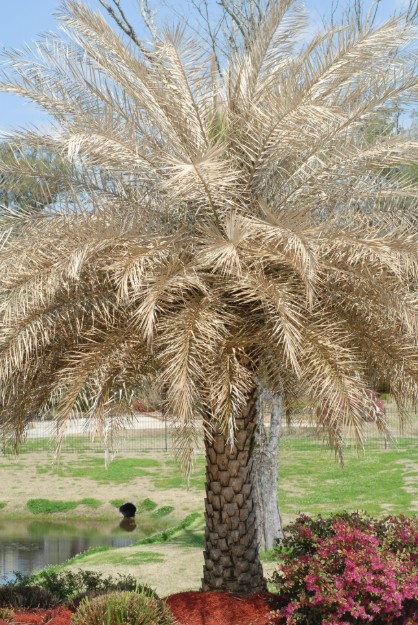
Frost damage is common after winter cold snaps in Central Florida, but most plants recover with proper care.
By Diana Dodd, REALTOR® | ERA American Suncoast Realty
How to Prune Frost-Damaged Plants in Central Florida
If you are dealing with frost damaged plants Florida homeowners often see after a winter cold snap, you are not alone. Many Central Florida residents look at their yards after cold weather and assume the worst.
Brown leaves, drooping palms, and crispy tropical plants can make a landscape look beyond repair. The good news is that most plants can recover with patience and proper timing.
The key is knowing when to prune, what to cut, and what to leave alone.
What Frost Damaged Plants Florida Homeowners See After a Freeze
After a freeze, you may notice:
-
Brown or blackened leaves
-
Soft or mushy stems
-
Drooping branches
-
Yellowing foliage
-
Crispy edges on tropical plants
-
Browning palm fronds
Frost damage happens when plant cells freeze and rupture. Some plants rebound quickly once temperatures rise. Others need more time.
Do not assume a plant is dead just because it looks damaged.
Do Not Prune Too Soon
This is the most important rule.
Do not prune immediately after a freeze.
Damaged leaves and stems help protect the plant from additional cold. Cutting too early exposes healthy tissue and can cause more harm.
Wait until:
-
Temperatures stabilize
-
The threat of frost has passed
-
New growth begins to appear
In Central Florida, this often means waiting several weeks.
Patience protects your plants.
How to Tell If a Plant Is Still Alive
Before pruning, check for green growth.
Use the scratch test:
Lightly scratch the outer layer of a stem with your fingernail.
-
Green underneath means the plant is alive
-
Brown and dry means that section is dead
If you cut into a stem and see green inside, stop cutting.
Only remove sections that show no green at all.
How to Properly Prune Frost-Damaged Plants
When it is finally time to prune:
-
Use clean, sharp pruning tools
-
Disinfect blades with rubbing alcohol
-
Cut back to healthy green tissue
-
Trim just above a healthy node or branch
-
Do not remove more than one-third of the plant at one time
Gradual pruning reduces stress and encourages healthy regrowth.
Caring for Plants After Frost Damage
After pruning, focus on recovery.
Water deeply but do not overwater. Roots need oxygen to heal.
Avoid fertilizing until you see active new growth. Fertilizing too early can burn stressed roots.
Apply two to three inches of mulch around the base of plants to regulate soil temperature and moisture.
Watch for pests and disease, since weakened plants are more vulnerable.
Palm Trees and Cold Damage in Central Florida
Smaller palm varieties are especially sensitive to cold, including:
-
Pygmy Date Palms (Robellini)
-
Christmas Palms
-
Areca Palms
-
Bottle Palms
-
Young Foxtail Palms
After frost, palms may show brown fronds, drooping leaves, and slow growth.
Do Not Remove Palm Fronds Too Early
Leave damaged fronds in place until warm weather returns. Palm fronds still provide energy to the tree.
Check the center spear leaf:
-
Green and firm usually means the palm will survive
-
Loose and rotten may require professional help
When pruning palms, remove only fully brown, dead fronds. Never cut into the trunk or crown. Avoid hurricane cuts on stressed palms.
Staghorn Ferns After a Freeze
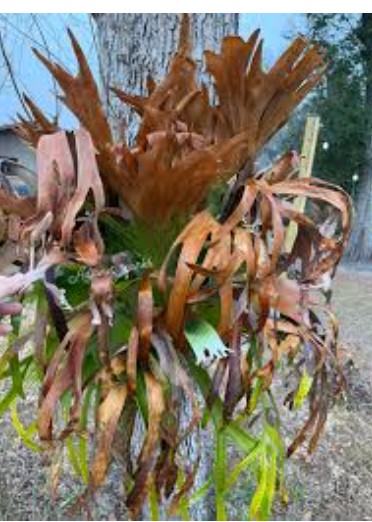
Frost damage is common after winter cold snaps in Central Florida, but most plants recover with proper care.
S
Staghorn ferns are beautiful in Central Florida landscapes but very sensitive to cold.
After frost, they may develop:
-
Brown or crispy fronds
-
Soft blackened spots
-
Drooping growth
Do not remove fronds immediately. Older fronds protect new growth underneath.
Once temperatures warm consistently:
-
Remove only fully dead fronds
-
Resume light watering
-
Avoid fertilizer until new growth appears
If the core remains healthy, staghorn ferns often recover well.
Common Central Florida Plants That Usually Recover
Many plants bounce back in spring, including:
-
Hibiscus
-
Bougainvillea
-
Crotons
-
Ixora
-
Citrus trees
-
Palms
-
Staghorn ferns
Give them time before replacing them.
How to Protect Frost Damaged Plants in Florida Before the Next Cold Snap
Preparation makes a difference.
Before a freeze:
-
Cover plants with breathable frost cloth
-
Water soil earlier in the day
-
Move potted plants indoors
-
Add mulch around roots
-
Protect small palms and mounted ferns
Avoid plastic touching leaves directly.
For additional expert guidance, visit the University of Florida IFAS Extension at:
https://gardeningsolutions.ifas.ufl.edu
Why Landscape Care Matters for Home Value
Healthy landscaping improves your home’s value in Citrus County
-
Curb appeal
-
Buyer interest
-
Resale value
-
Pride of ownership
For more local homeowner tips, read my guide on buying a home in Citrus County.
Well-maintained outdoor spaces protect both your lifestyle and your investment.
Final Thoughts
Cold weather is part of living in Central Florida. When frost hits, the worst thing you can do is panic and prune too quickly.
Wait. Look for green growth. Trim only what is truly dead.
With proper timing and care, most frost damaged plants Florida homeowners deal with can recover beautifully.
Healthy landscaping supports property value in every season.
