

 Facebook
 X
X
 Pinterest
 Copy Link
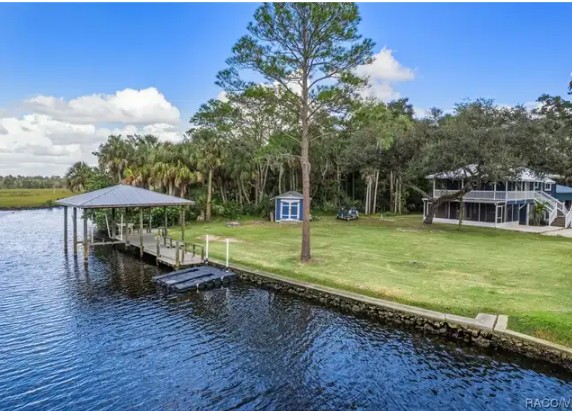
Waterfront homes in Citrus County often fall within flood zones and require careful insurance planning.
Good. Here is the fully rewritten, readability-fixed version.
Shorter sentences. More transition words. No repetitive sentence starts. This will clear Yoast.
Copy and replace your entire body with this.
Flood Zones in Citrus County: What Buyers Must Check Before Closing
By Diana Dodd, REALTOR® | ERA American Suncoast Realty
Buying a home in Citrus County offers incredible lifestyle benefits. However, flood zones are one factor buyers must understand early.
Flood zones in Citrus County can affect insurance costs, loan approval, and long-term resale value. Because of this, reviewing flood status before making an offer is critical. Many buyers wait too long and discover added costs late in the process.
That is avoidable.
What Is a Flood Zone?
A flood zone is a FEMA designation that shows how likely an area is to flood.
Most properties fall into one of these categories:
-
High-risk zones such as A, AE, or VE
-
Moderate-risk zones such as shaded X
-
Low-risk zones such as X
Each category carries different insurance requirements. As a result, two homes at the same price may have very different monthly costs.
Why Flood Zones Matter to Buyers
Flood zone status impacts more than insurance.
It can influence:
-
Required flood insurance
-
Overall monthly payment
-
Mortgage approval
-
Future buyer demand
-
Long-term risk exposure
For example, a home in a high-risk zone may require mandatory flood coverage. Meanwhile, a similar home outside that zone may not.
Understanding this difference early gives buyers leverage.
Where Flood Zones Are Common in Citrus County
Certain areas are more likely to fall within flood zones.
These often include:
-
Crystal River
-
Homosassa
-
Canal neighborhoods
-
Riverfront and lakefront properties
-
Lower elevation coastal sections
That does not mean these homes are bad investments. However, they must be evaluated carefully.
Waterfront living comes with responsibility.
What to Expect With Flood Insurance
If a property sits in a high-risk zone and you are financing the purchase, flood insurance is typically required.
Premiums vary based on:
-
Elevation
-
Construction type
-
Year built
-
Distance from water
-
FEMA rating updates
Some policies remain reasonable. Others can significantly increase monthly costs. Therefore, always request an insurance quote before finalizing negotiations.
Elevation Certificates Can Make a Difference
Not all flood zone homes carry the same level of risk.
In some cases, an elevation certificate shows the structure sits higher than base flood elevation. When that happens, insurance costs may drop.
Because of this, asking about elevation certificates early can save money over time.
Flood Zones and Resale Value
Flood zones in Citrus County also affect future resale.
Buyers will review:
-
Insurance cost
-
Prior claims
-
Drainage patterns
-
Neighborhood history
Consequently, properties with documented preparation and transparency tend to perform better on the market.
Preparation protects equity.
What Smart Buyers Do Before Closing
Before committing to any property, buyers should:
-
Confirm the FEMA flood zone
-
Request an insurance quote
-
Ask about past flood claims
-
Review elevation documentation
-
Factor all costs into their budget
Taking these steps early prevents delays at closing.
Final Thoughts
Flood zones are not a reason to panic. Instead, they are a factor to evaluate carefully.
When buyers understand flood zones in Citrus County and plan accordingly, they make stronger decisions. In the end, preparation creates confidence and protects your investment.
